- What
- Salt pans in the limestone, sea salt harvested by hand
- Location
- North coast between Qbajjar and Xwejni, near Marsalforn
- Harvest
- Roughly May to September, weather permitting
- Entry
- Freely accessible coastline
What are the Xwejni salt pans?
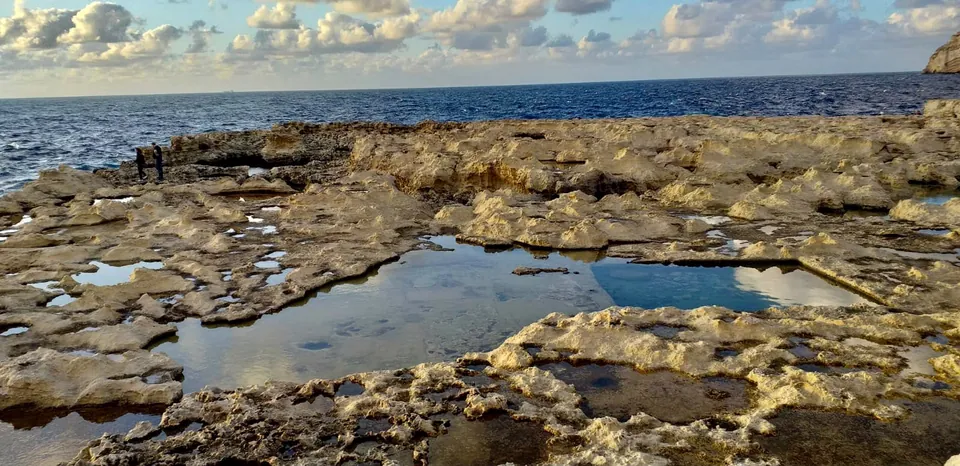
The salt pans are shallow basins cut into the coastal limestone. When the sea is calm, seawater is let in, sun and wind evaporate it, and salt is left behind. According to Guide Me Malta, the pans stretch for about three kilometres along the north coast, from Qbajjar bay near Marsalforn to Xwejni Bay. Sources give different numbers; around 300 is often quoted.
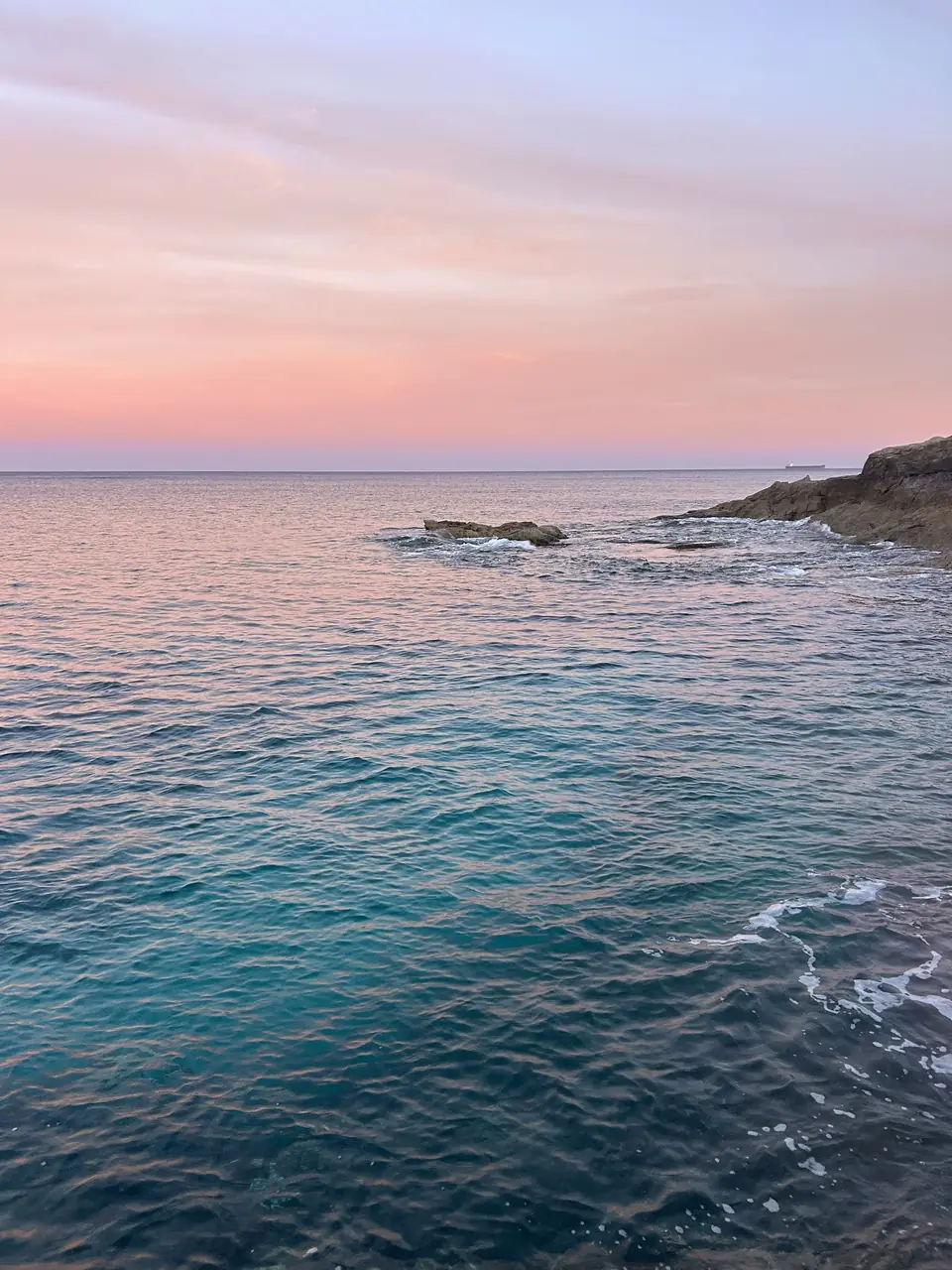
From above, the coast looks like a chessboard of stone and water, as our photo shows. Depending on the light, the water in the pans shimmers silver, blue or almost white with salt.
One family, for generations
Many of the pans are worked by the Cini family, since 1860 according to Guide Me Malta; the family tends around 150 rock-cut pans there. Best known is Emanuel Cini, called Leli tal-Melħ on Gozo, who has been making salt since 1969. The family sells its salt right on the coast.
Salt-making on Gozo is old. Sources trace it back to Phoenician and Roman times; according to one account, the pans you see today are around 350 years old. Not every detail is documented, but the place shows a craft that has been passed down over many generations.
Stay nearby
If you want to see the salt pans early in the morning, Marsalforn is the best base.
You see the live price and availability with the provider. Many offers can be cancelled for free – check this in the offer itself.
When you can watch the harvest
The harvest happens in summer, when it is hot and dry. According to reports the Cini family harvests roughly from May to September, most of all in June and July; one visitor site gives mid-May to early September for 2026. Work starts early in the morning, before it gets too hot.
The weather decides. Storms and strong wind can ruin a harvest or end the season early. There are therefore no fixed days or times. Ask in Marsalforn or at your accommodation, and come early rather than late.
Buying salt
You can buy the salt right at the pans when the family is there, and in shops on Gozo. Besides pure sea salt there are often blends with herbs or chilli. A small bag makes a good souvenir and fits in your hand luggage.
Prices and opening times of the stall change, and out of season there is often nobody there. More on the island's cooking, in which this salt plays a part, is on the page food and restaurants on Gozo.
How to get there
The salt pans lie along the coast road west of Marsalforn. From the centre you walk past Qbajjar bay along the coast and reach the first pans after a short stroll. By car you park at the roadside, which gets tight in summer.
A lovely route links the salt pans with Wied il-Għasri: according to our hiking page, the walk from the gorge to Xwejni Bay takes about 30 minutes. More routes are on the page hiking on Gozo. Buses run to Marsalforn, and from there everything is within walking distance.
How to behave at the pans
The salt pans are not a museum but a workplace. Do not step into the pans or walk on the edges where the salt is drying. Do not touch the salt or throw anything into the water. Stay on the rock between the pans or on the road.
Photos from the road and the rock are no problem. Fly drones only within the applicable rules and with consideration for the people working there. In high waves, spray washes over the pans, so keep away from the water's edge.
The best time for photos
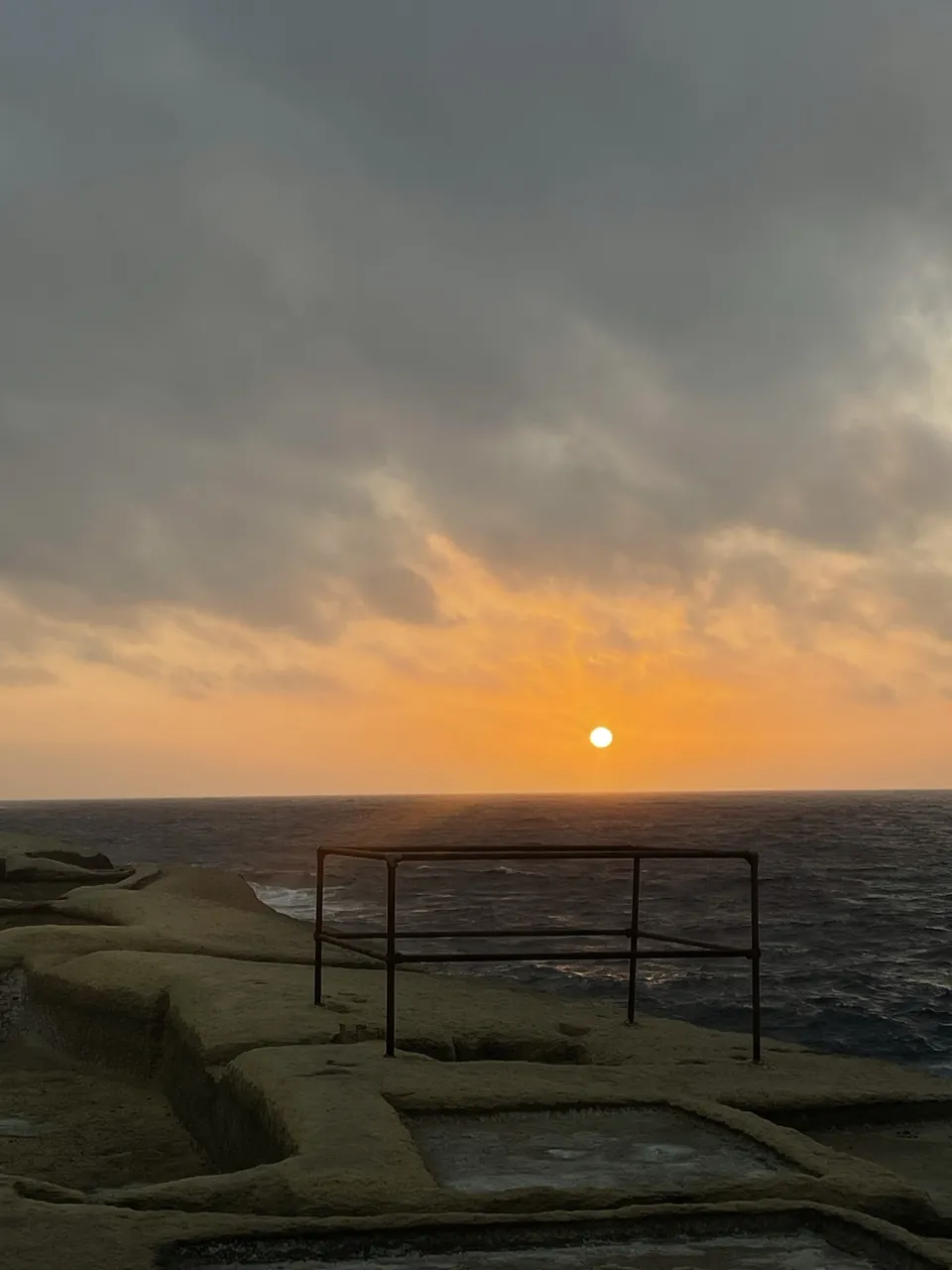
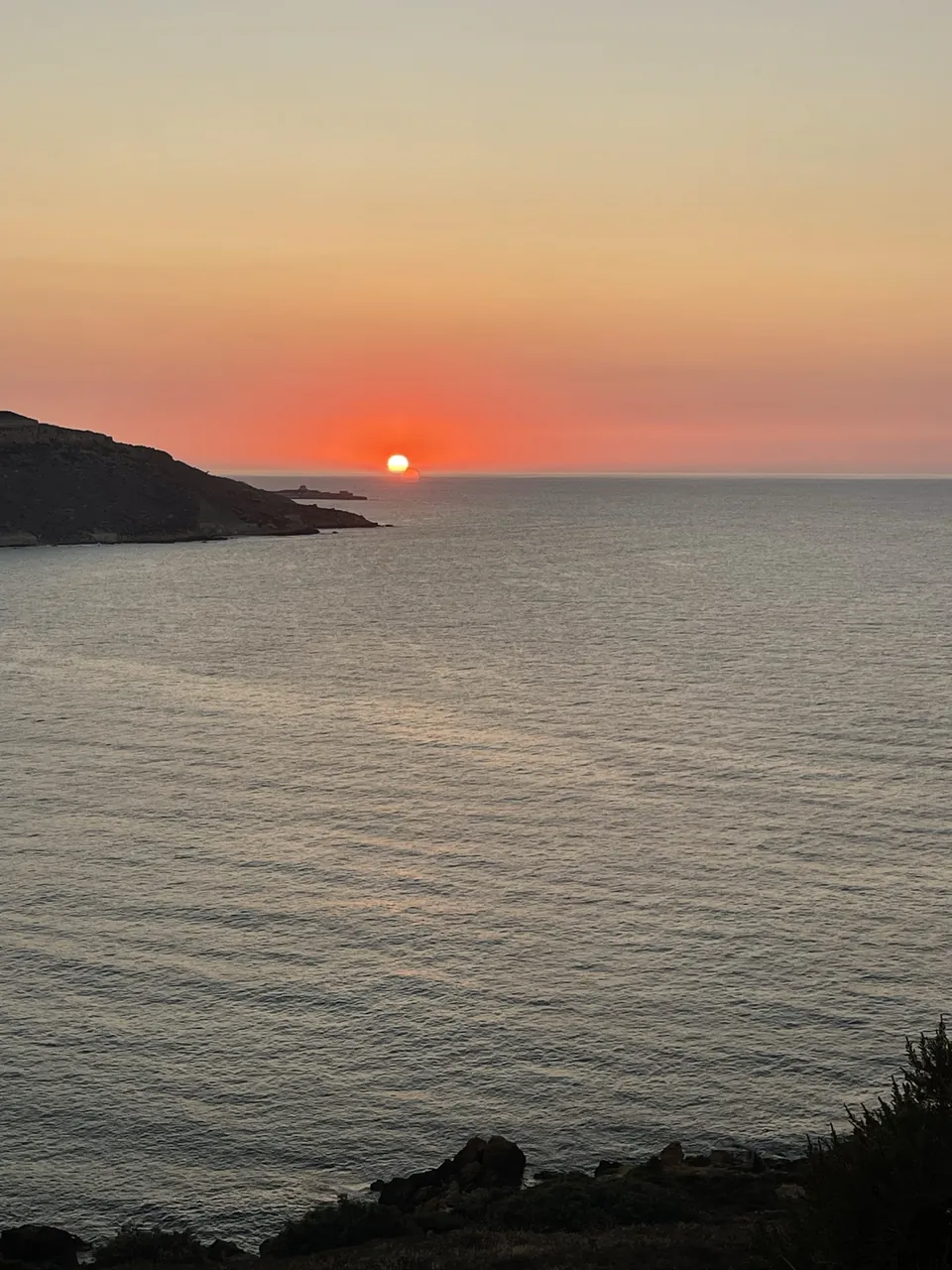
Early morning and late afternoon bring soft light, and the edges of the pans cast shadows that bring out the pattern. At sunset the coast glows warm, and you can end the evening in Marsalforn.
After a storm the pans are full of seawater and mirror the sky. In winter there is no harvest, but the coast is empty and the light is clear. Quieter swimming spots nearby are on the page beaches on Gozo.
Last checked: 8 November 2026. Prices, times and access change, please check locally or with the operator.
Sources: Guide Me Malta: sea salt