- Location
- West coast, near San Lawrenz
- Sights
- Inland Sea, Blue Hole, Fungus Rock
- Best time
- Sunset, when the day-trippers have left
- Azure Window
- Collapsed in 2017
What makes Dwejra
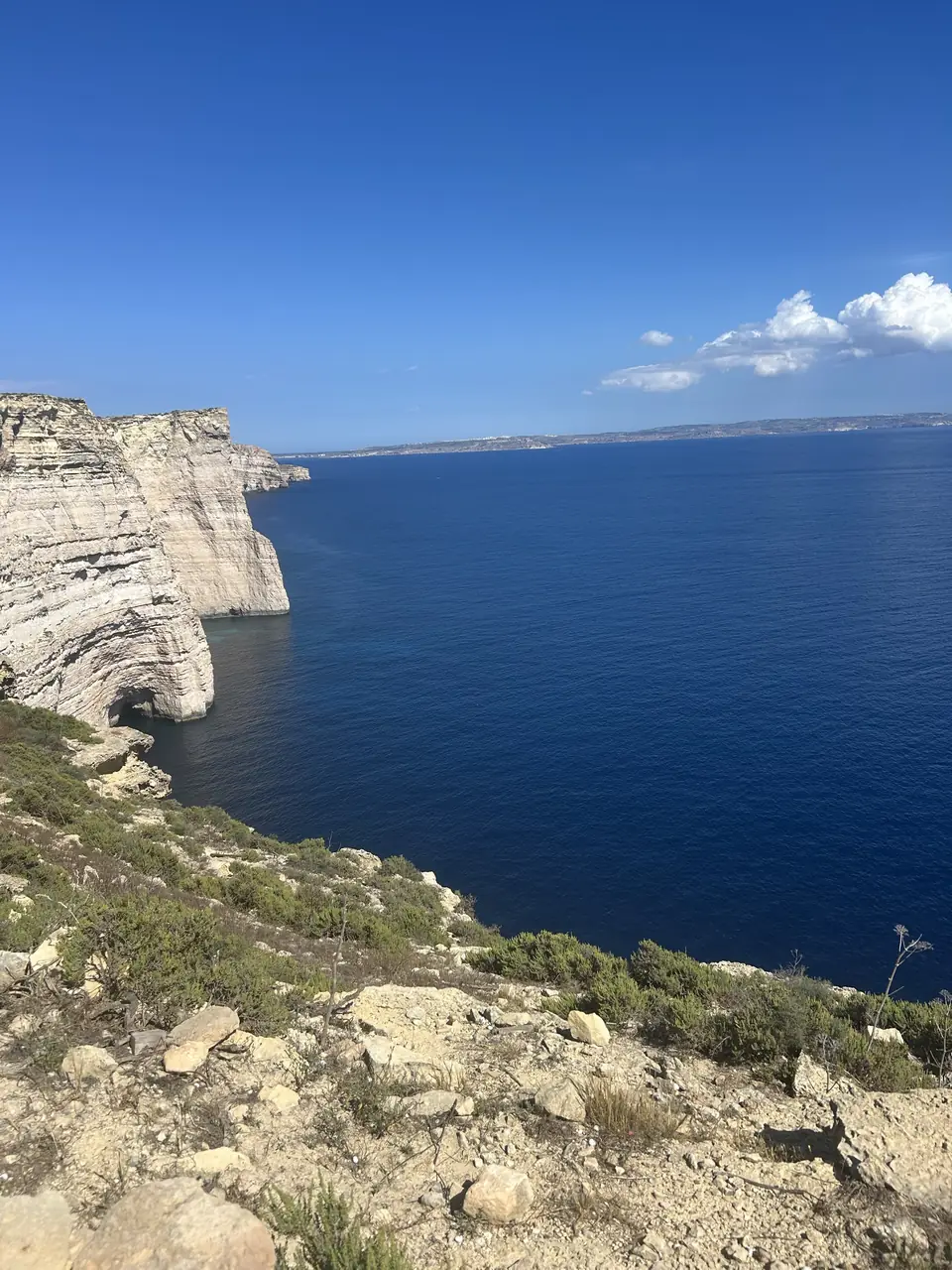
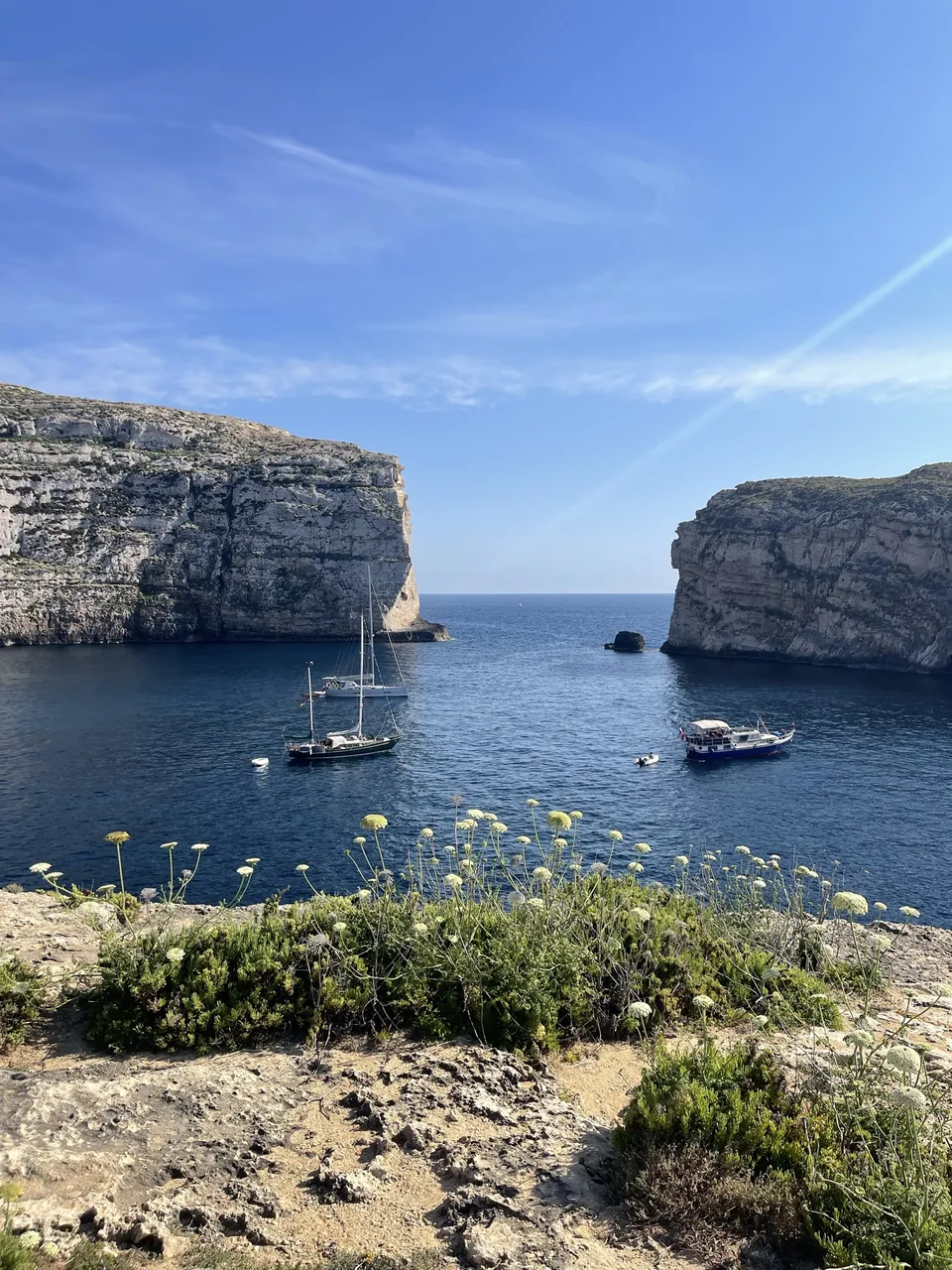
Dwejra is a small bay on the west coast with extraordinary rock formations. Four things shape the place: the Inland Sea, the Blue Hole, Fungus Rock and the spot where the Azure Window stood. The landscape feels like a stage of limestone, water and wind, and it changes strongly with light and sea state.
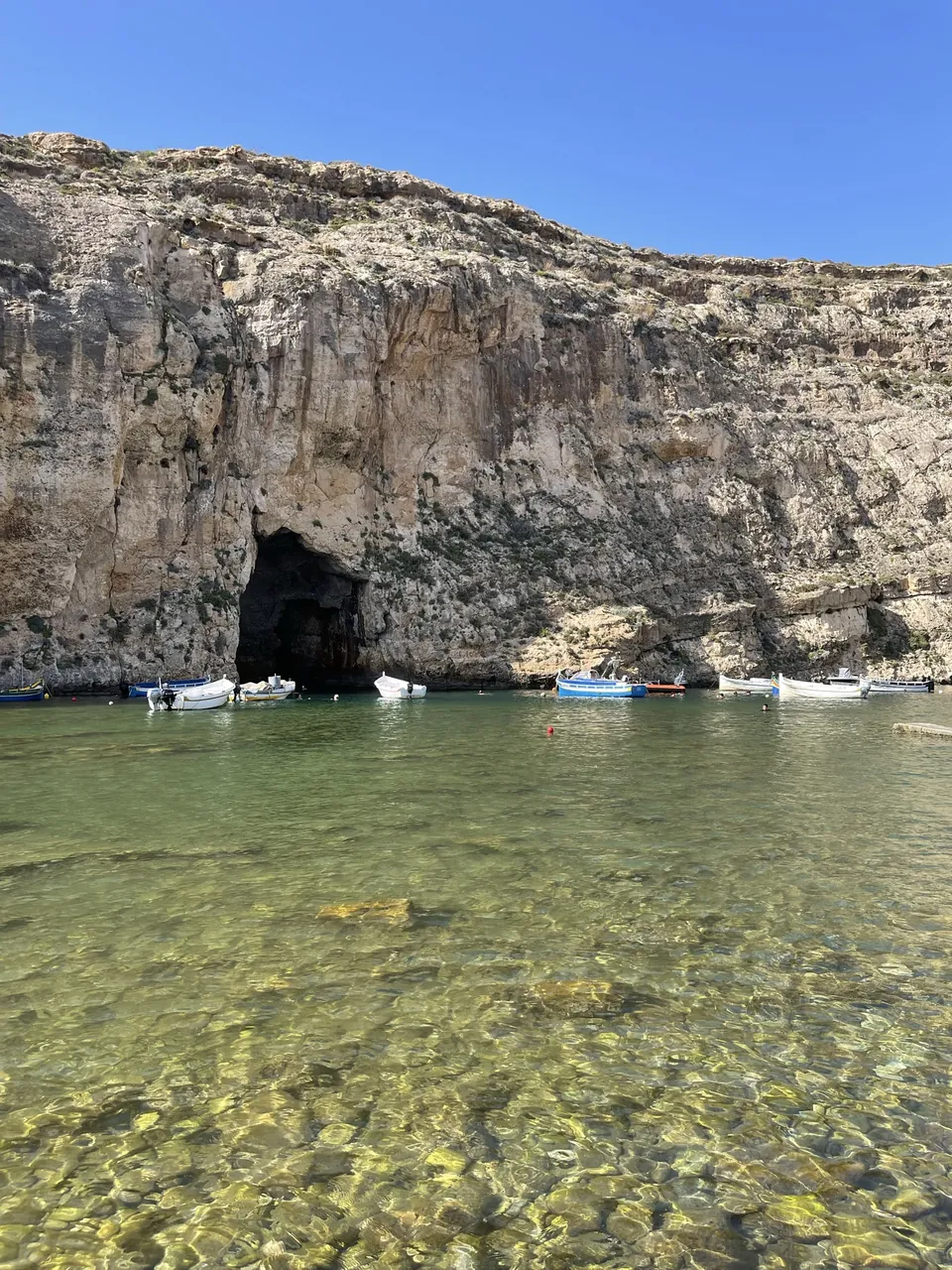
The Inland Sea
The Inland Sea is an almost closed saltwater lake in a circular depression. On one side is a quay, on the other a pebble beach. It is connected to the open sea by a rock tunnel that, according to Visit Gozo, small boats use; the length is given as around 100 metres. Fishermen offer traditional boat rides out through the tunnel. Travel sites mention about 5 euros for the ride; prices and times vary and depend on the sea state, and in rough seas nobody goes.
Experience Dwejra
Compare tours and dives in advance.
You see the live price and availability with the provider. Many offers can be cancelled for free – check this in the offer itself.
The Azure Window
The famous rock arch known as the Azure Window collapsed in 2017. If someone shows you an old photo, the motif no longer exists. Visit Gozo writes that the spot has been a dive site since the collapse. Dwejra remains one of the island's strongest places because the other formations, the cliffs and the sea are as impressive as ever.
The Blue Hole
The Blue Hole is a vertical, roundish shaft in the rock that opens straight to the sea. Among divers it counts as one of the best-known sites in the Mediterranean; according to Visit Gozo it was among Jacques Cousteau's ten best dive sites in the world. More on the page diving on Gozo. The surrounding rocks also tempt snorkellers, but only in calm seas and never alone.
The way to the Blue Hole is short according to reports but involves steps and slippery rock. If you go with equipment you need good shoes and patience.
Fungus Rock
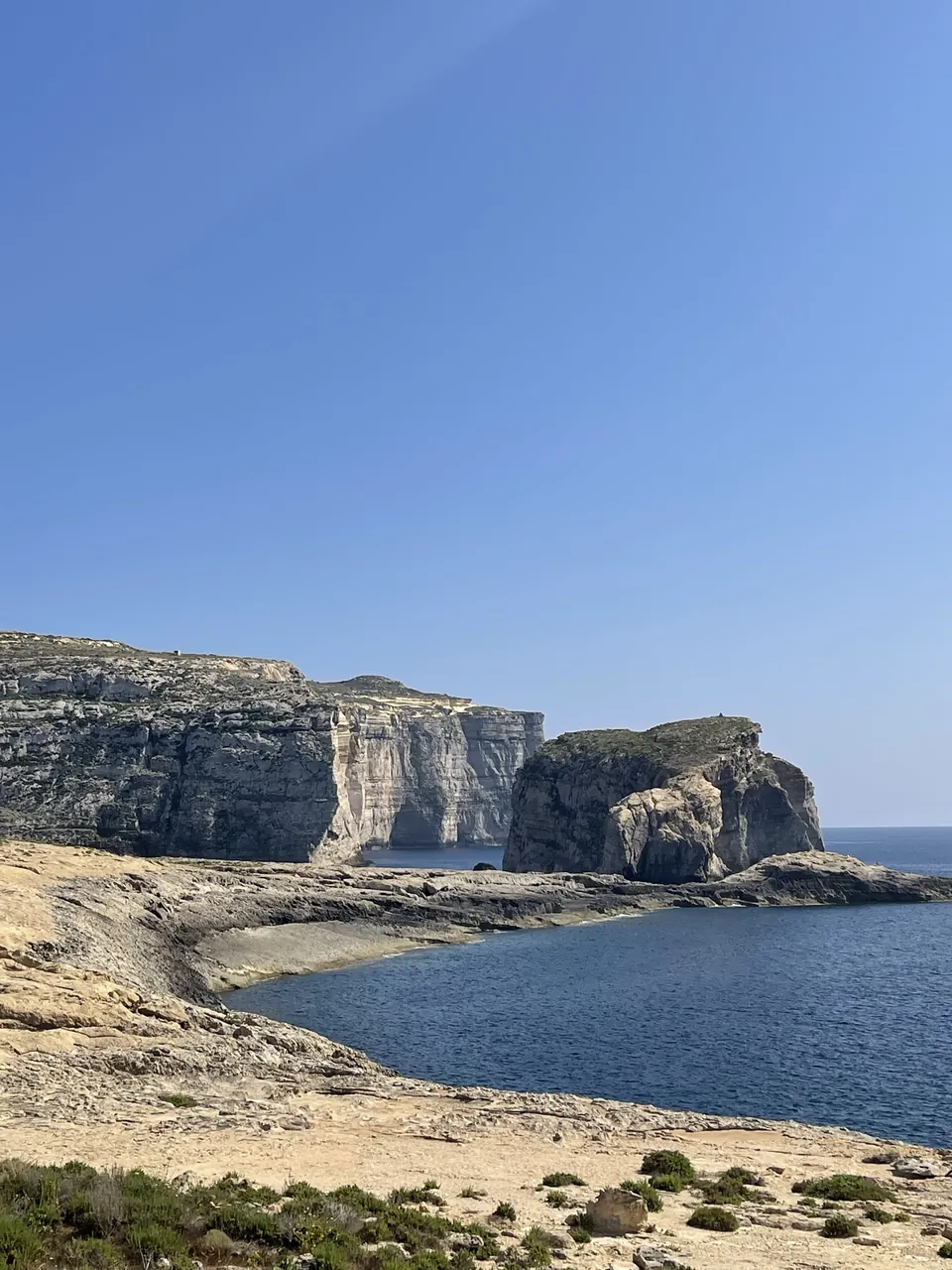
At the entrance of the bay Fungus Rock rises from the water, a steep limestone rock about 60 metres high. The Knights of Malta had its sides smoothed so nobody could climb it, because a rare fungus (the Maltese fungus) grew there that was credited with healing powers. Today the rock is protected and may not be entered. You see it from the shore and from a boat.
Why is it called Fungus Rock?
Fungus Rock owes its name to a plant the Knights of St John prized as a medicine: Cynomorium coccineum, often called Maltese fungus. Botanically it is not a fungus at all but a parasitic flowering plant with an unpleasant smell. In Maltese the rock is called Il-Ġebla tal-Ġeneral, the General's Rock.
The Knights used the plant as a dressing to stop bleeding and as a cure for dysentery. Because it was so valued, Grand Master Pinto declared the rock off-limits in the mid-18th century. He posted a permanent guard and had a basket run across on a rope from the shore. Anyone caught on the rock without permission risked three years as an oarsman on the Order's galleys.
Today Fungus Rock is a nature reserve. The best views are from the shore of the bay or from the path up to Dwejra Tower. You may not go onto the rock, and you should not climb the rocks around the bay either, because the limestone crumbles easily.
Dwejra Tower
Above the bay stands Dwejra Tower, a watchtower built in 1652. It went up under Grand Master Giovanni Paolo Lascaris and was paid for by the Università, Gozo's local administration at the time. Guards reported corsair landings from here, with fire at night and smoke by day. Later the tower also served as a lookout to stop anyone climbing onto Fungus Rock.
From the Azure Window to film set
Dwejra was a film location long before Instagram. The Azure Window, a rock arch at the edge of the bay, appears in the 1981 film Clash of the Titans and in the first season of Game of Thrones, in the Dothraki wedding scene. On 8 March 2017 the arch collapsed into the sea after heavy storms.
The landscape is protected: Dwejra lies within a Special Area of Conservation, and Malta put the bay on its tentative list for UNESCO World Heritage in 1998. For your visit this means stones, plants and fossils stay where they are, and the marked paths are there for a reason.
| Place | What it is | What you can do |
|---|---|---|
| Inland Sea | Saltwater lagoon linked to the sea by a rock tunnel | Take a small boat through the tunnel, swim from the shore |
| Blue Hole | Vertical rock shaft leading to the open sea | Dive, snorkel when the sea is calm |
| Fungus Rock | Limestone rock about 60 m high, nature reserve | View it from the shore or the tower |
| Azure Window | Rock arch, collapsed on 8 March 2017 | The site is now a dive spot |
| Dwejra Tower | Knights' watchtower from 1652 | See it from outside, views over the bay |
When is it best?
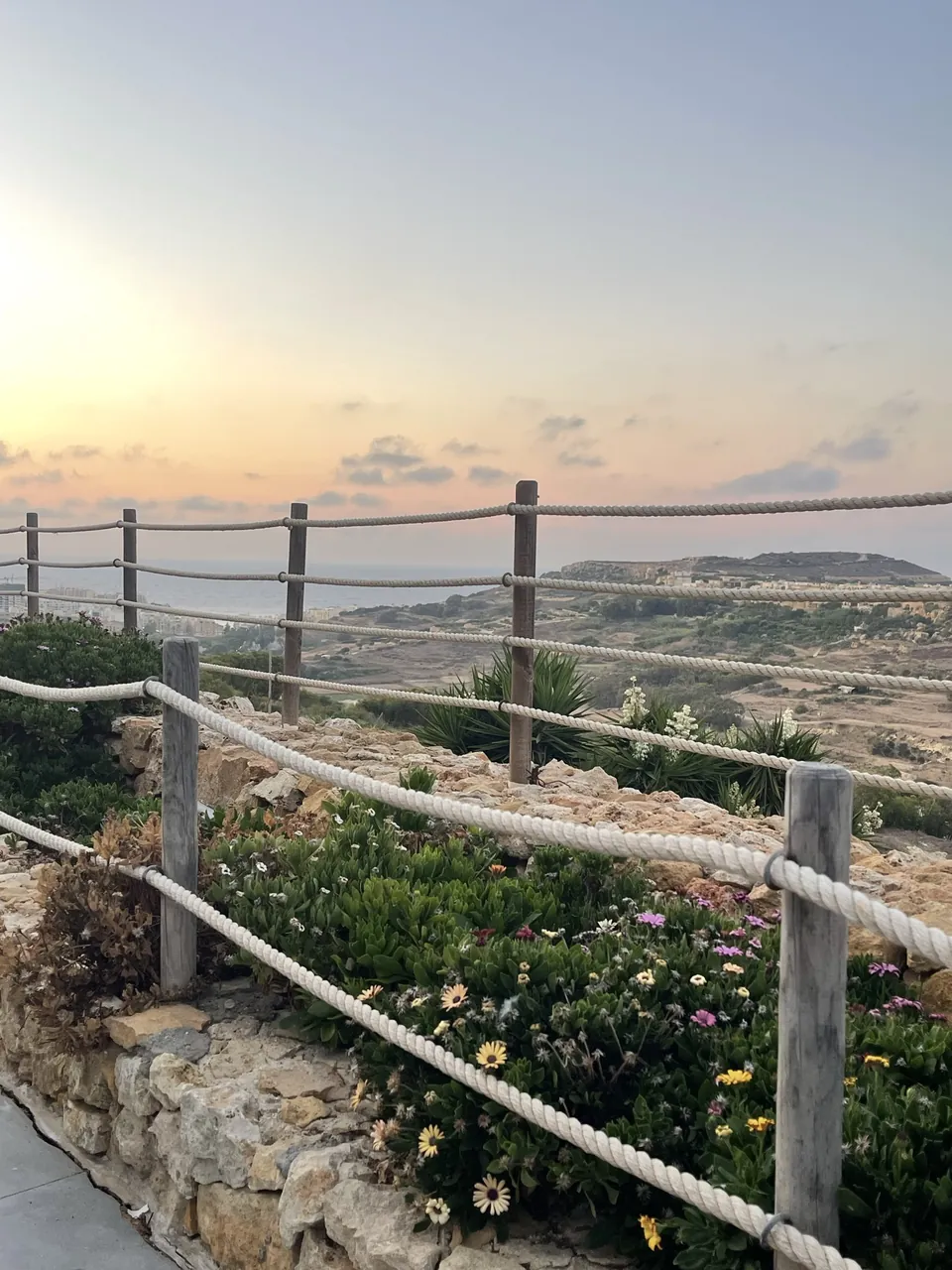
Come at sunset. By then the day-trippers have gone and the light on the rocks is at its best. At midday in summer it is busy and hot, with hardly any shade. In the off-season you are often almost alone. Visit Gozo warns explicitly: be careful in rough weather, and do not go near the shore edge.
Getting there, parking and practical
By car Dwejra is most convenient; parking is limited in summer. By bus you can get there, but the return trip in the evening is tricky; more at Gozo without a car. Sturdy shoes matter because the rock is uneven and in places slippery. Bring water. Nearby stand a small chapel from 1963 (St Anne) and a tower from 1652 that guarded against pirates. Toilets and kiosks are seasonal.
Combining well
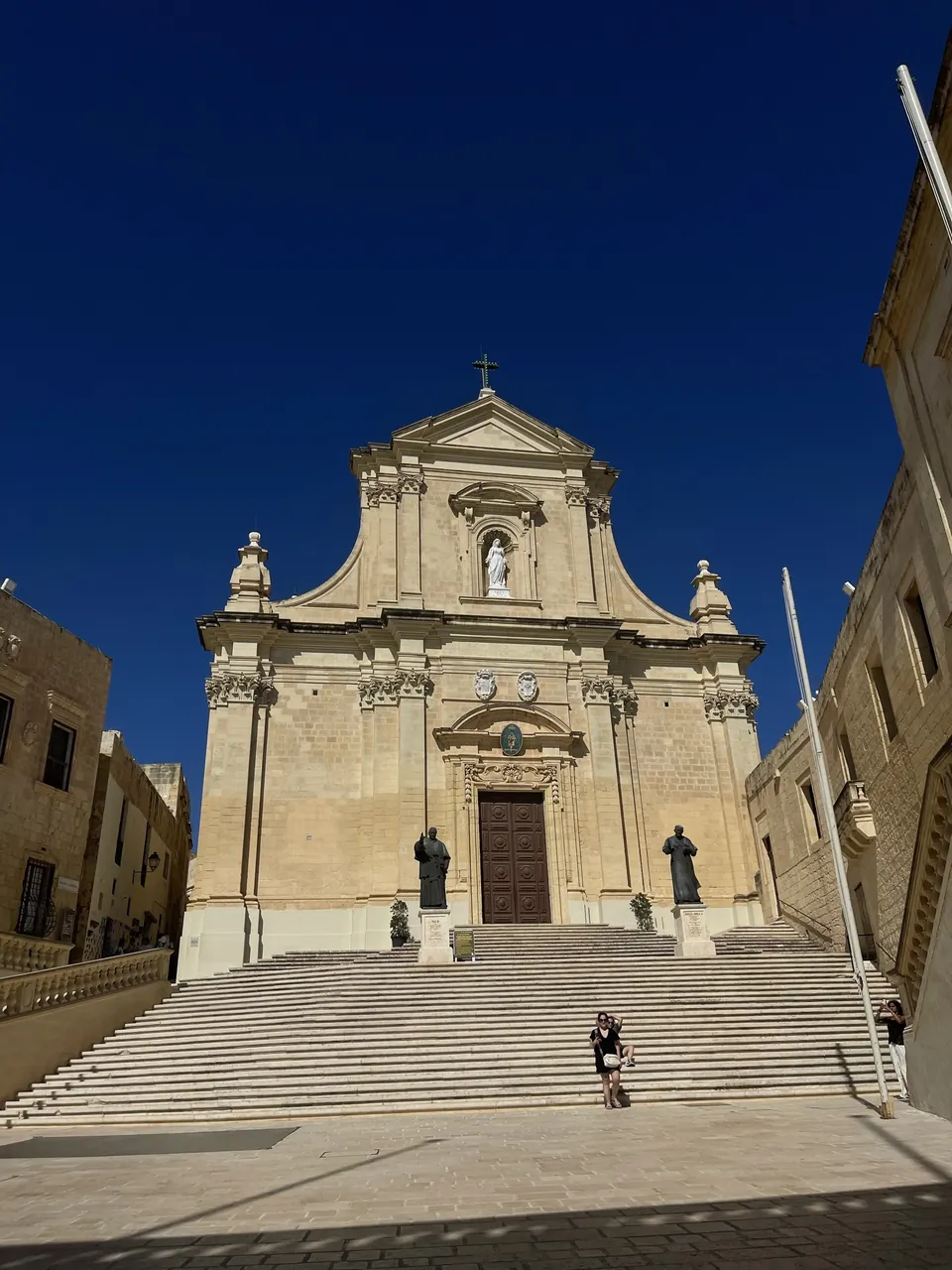
Dwejra fits well after a visit to the Citadel in Victoria if you want to spend the morning in town and the afternoon by the sea. Xlendi and Ta' Pinu basilica are also nearby. If you want to hike, coastal paths surround the bay; more at hiking on Gozo. A possible order is shown in the 3-day plan.
Updated: 4 October 2026. Prices, times and rules change, please check with the operator.
Sources: Visit Gozo: Dwejra