- What
- Rock-cut chamber with niches, Punic period
- Age
- About 3rd century BC
- Location
- Ras il-Wardija headland near San Lawrenz, west coast
- Access
- On foot; land privately owned according to Wikipedia
What is the Wardija nymphaeum?
On the headland of Ras il-Wardija, south-west of San Lawrenz, people cut a chamber into the soft limestone during the Punic period. Archaeologists date the site to around the 3rd century BC. It is considered a sanctuary, probably a nymphaeum, a place where water and spring deities were worshipped. Some sources name the goddess Tanit or Astarte; that dedication is not proven and remains a guess.
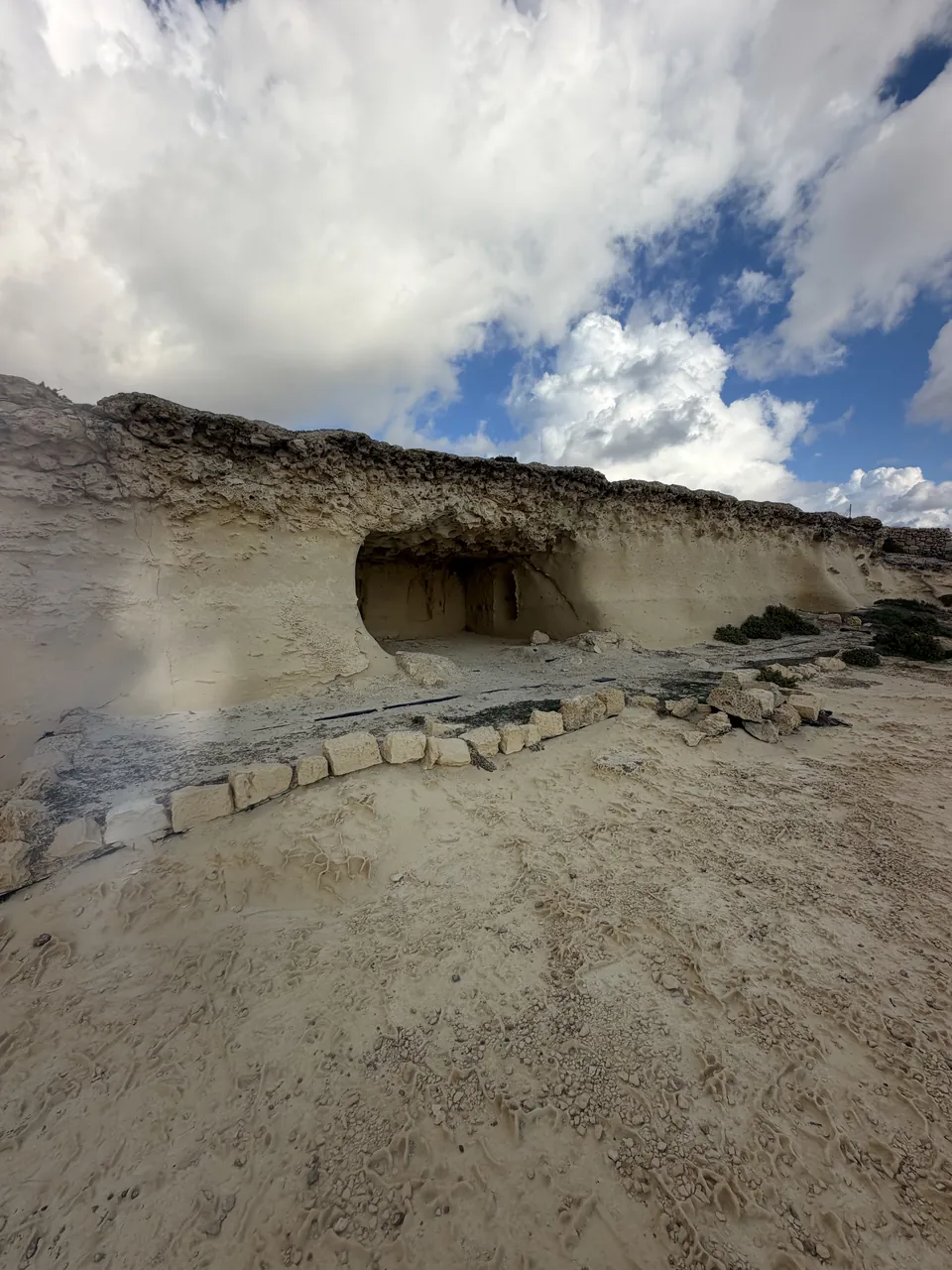
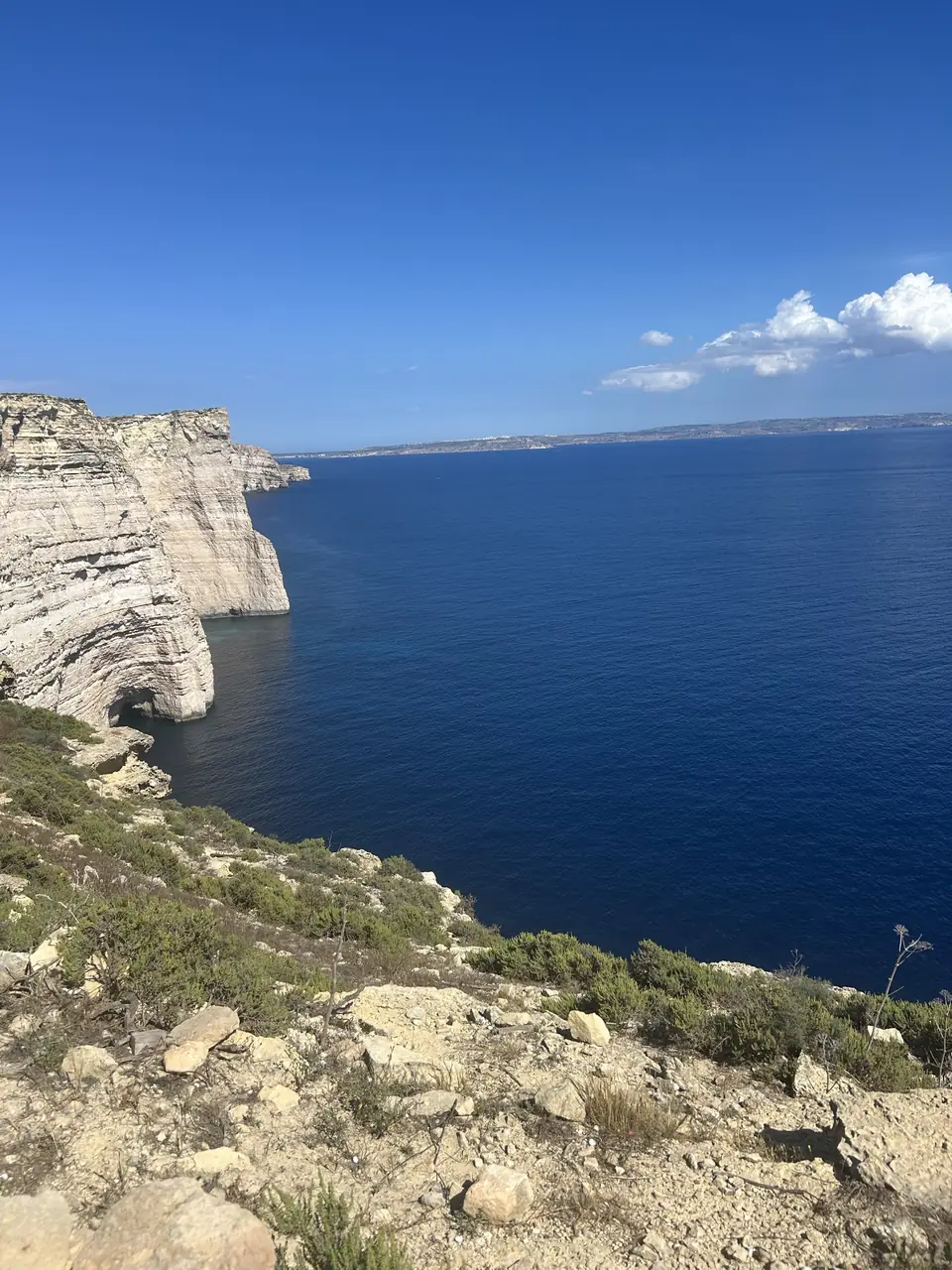
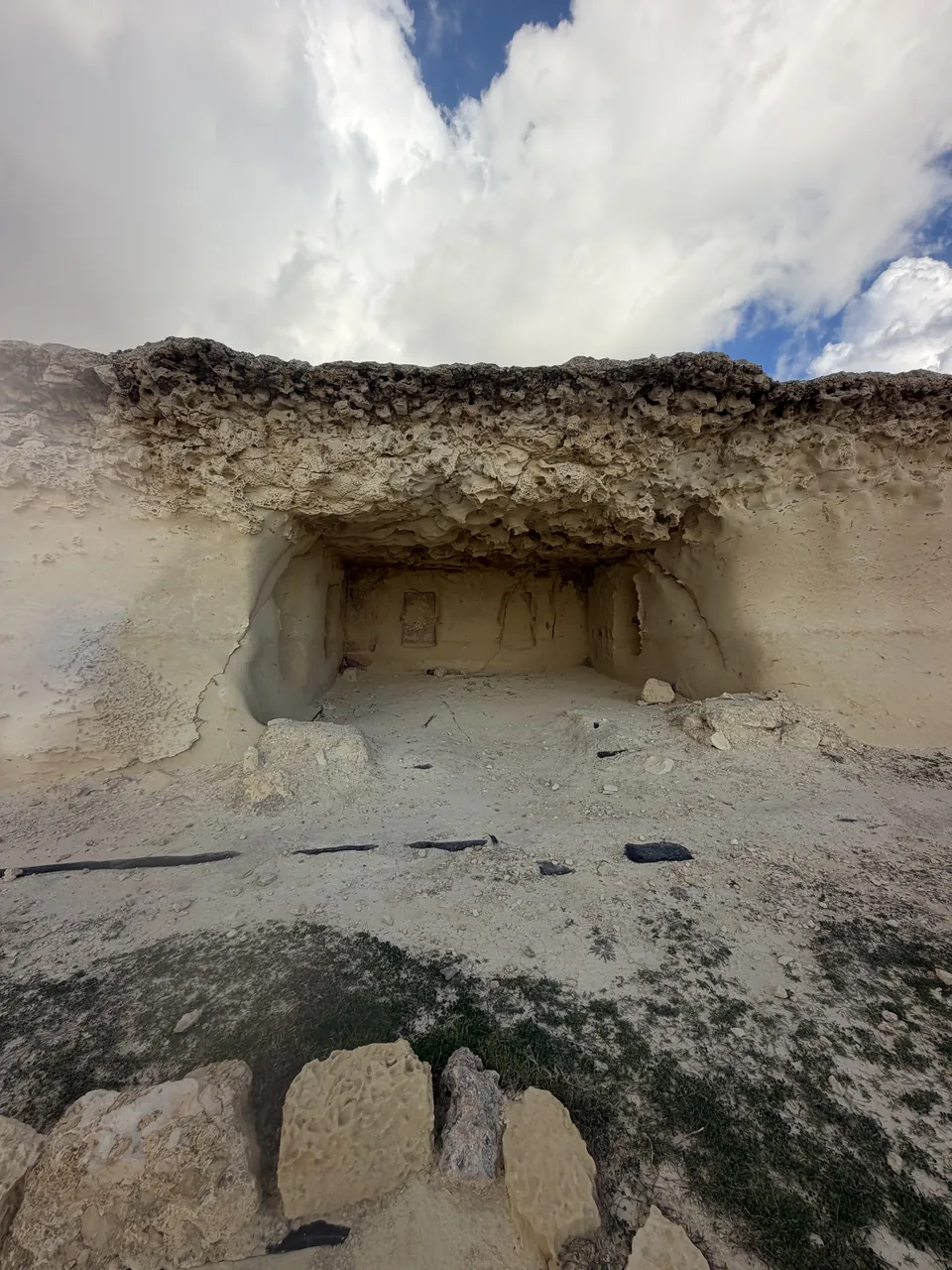
What makes it special is the setting. The chamber opens onto a bare plateau high above the sea, with nothing around but rock, sky and wind. Our photos show how quiet and stark it is up there.
What you see on site
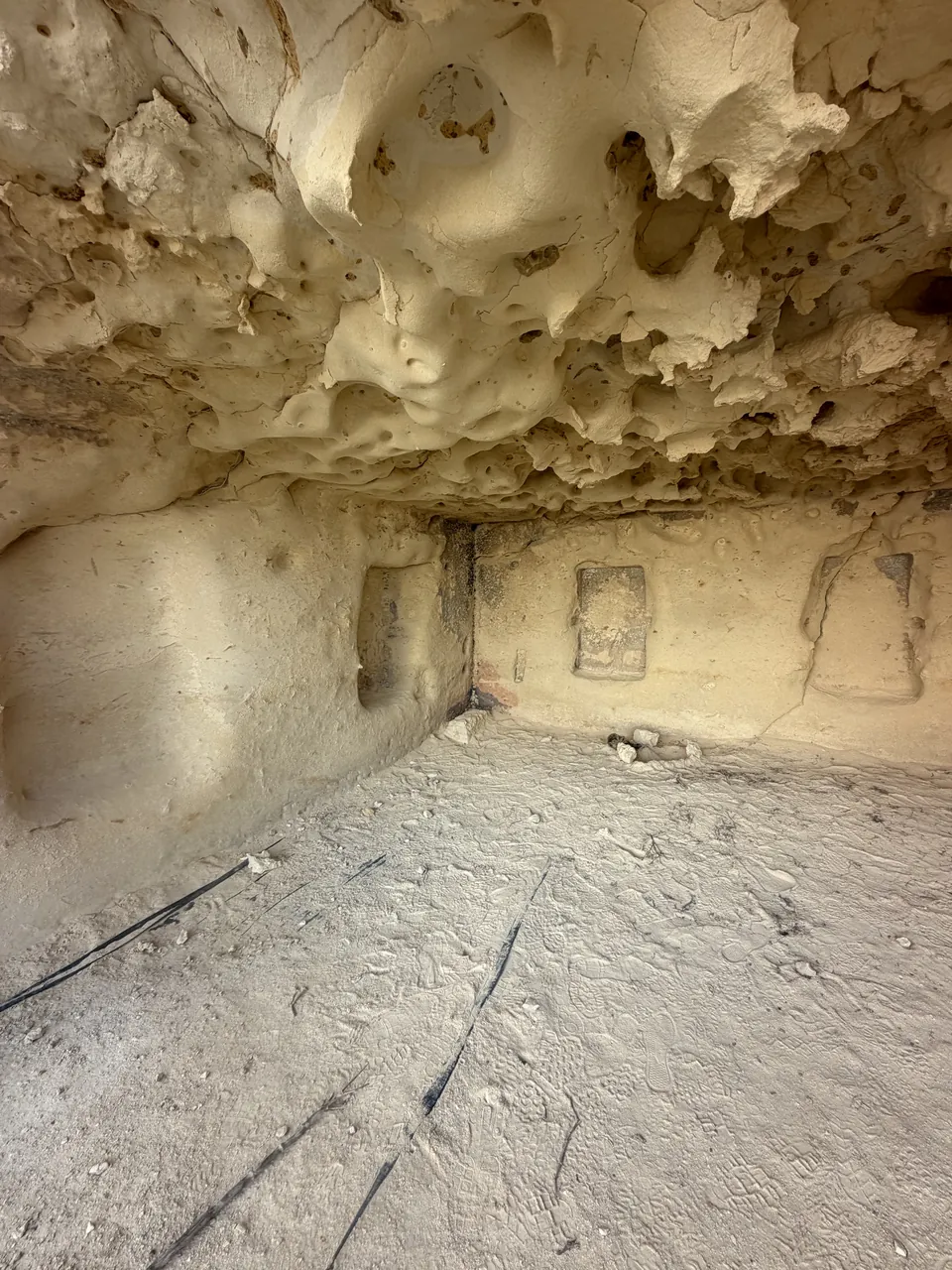
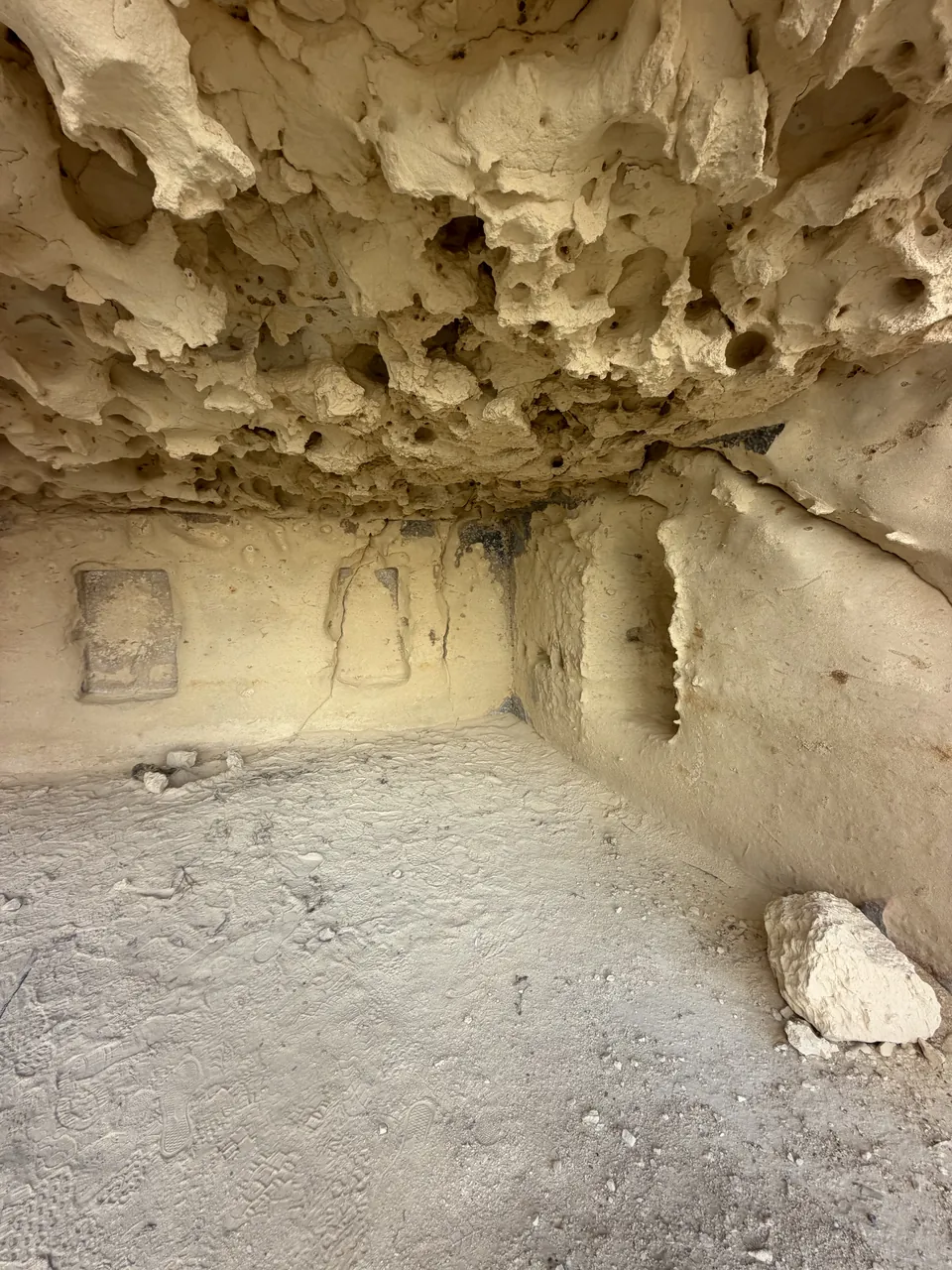
What survives is a rectangular chamber cut straight from the rock. Several niches are carved into its walls, three side by side in the back wall. The ceiling has been heavily eroded by the weather and looks like a sponge of stone. According to Wikipedia the site also includes a T-shaped corridor leading to the chamber, a water reservoir and a bell-shaped well, all rock-cut.
One source also describes crosses scratched into the walls and reads them as signs of later Christian use. Look closely, but do not touch the walls: the limestone is soft and every touch wears it away further.
Explore the west of Gozo
If you want to see Wardija, Dwejra and the west coast in one day, book a guided tour or stay in the west.
You see the live price and availability with the provider. Many offers can be cancelled for free – check this in the offer itself.
The history of the excavation
The site was excavated by the Italian Archaeological Mission to Malta between 1964 and 1967. The team found the rock chamber, the water features and traces of earlier settlement. One source places the first use of the spot as early as the Bronze Age; the sanctuary itself, however, is generally assigned to the Punic period.
The Punic people were the heirs of the Phoenicians, who shaped the western Mediterranean from Carthage. On Malta and Gozo they left tombs, inscriptions and sanctuaries. Wardija is one of the few traces of that era you can still see out in the landscape on Gozo rather than behind glass in a museum.
How to get there
Start from the village of San Lawrenz in the west of the island, which you reach by bus from Victoria. From there, country tracks lead towards the coast; walking sites give about 15 to 20 minutes on foot. The way is barely signposted, so bring an offline map.
Important: according to Wikipedia the land is privately owned and permission may be required for access. Travel reports suggest contacting the owner before you go. So check before your visit whether and how access is currently possible, for example through your accommodation or the tourist office in Victoria. Respect fences, gates and signs.
Safety at the edge
The headland ends in high sheer cliffs without railings. The ground is loose limestone and rubble, and in wind you are completely exposed. Keep well back from the edge, especially when taking photos. Walking sites advise against this route with small children.
Sturdy shoes are a must; flip-flops will not do. There is no shade on the way, so bring water and sun protection and avoid the midday hours in summer. After rain the ground can be slippery.
Combine it with Dwejra
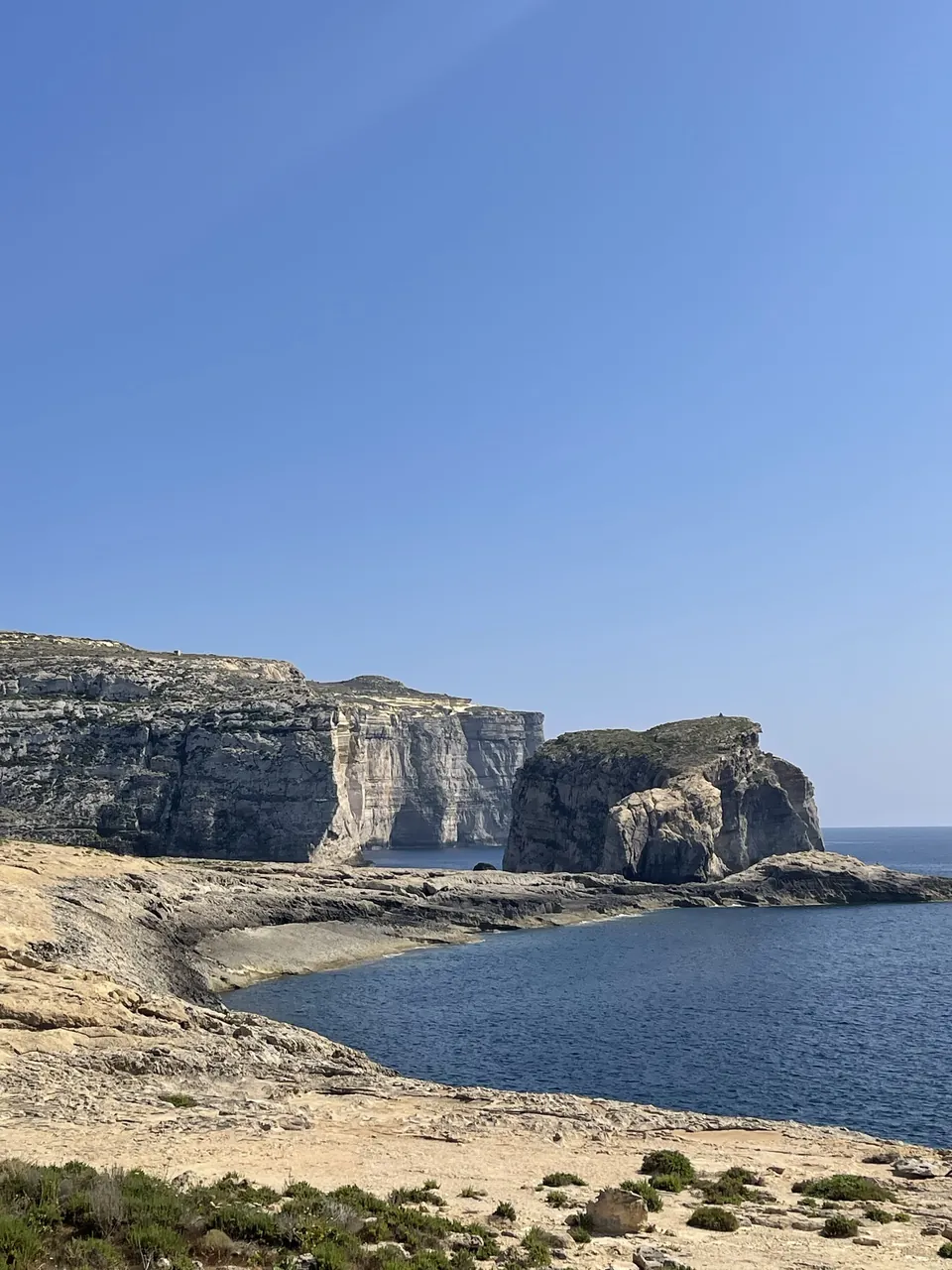
Wardija is not far from Dwejra with Fungus Rock, the Inland Sea and the rocks of the former Azure Window. If you set off early, you can see both in half a day: the quiet plateau of Wardija in the morning, then Dwejra bay. More routes in the west are on the page hiking on Gozo.
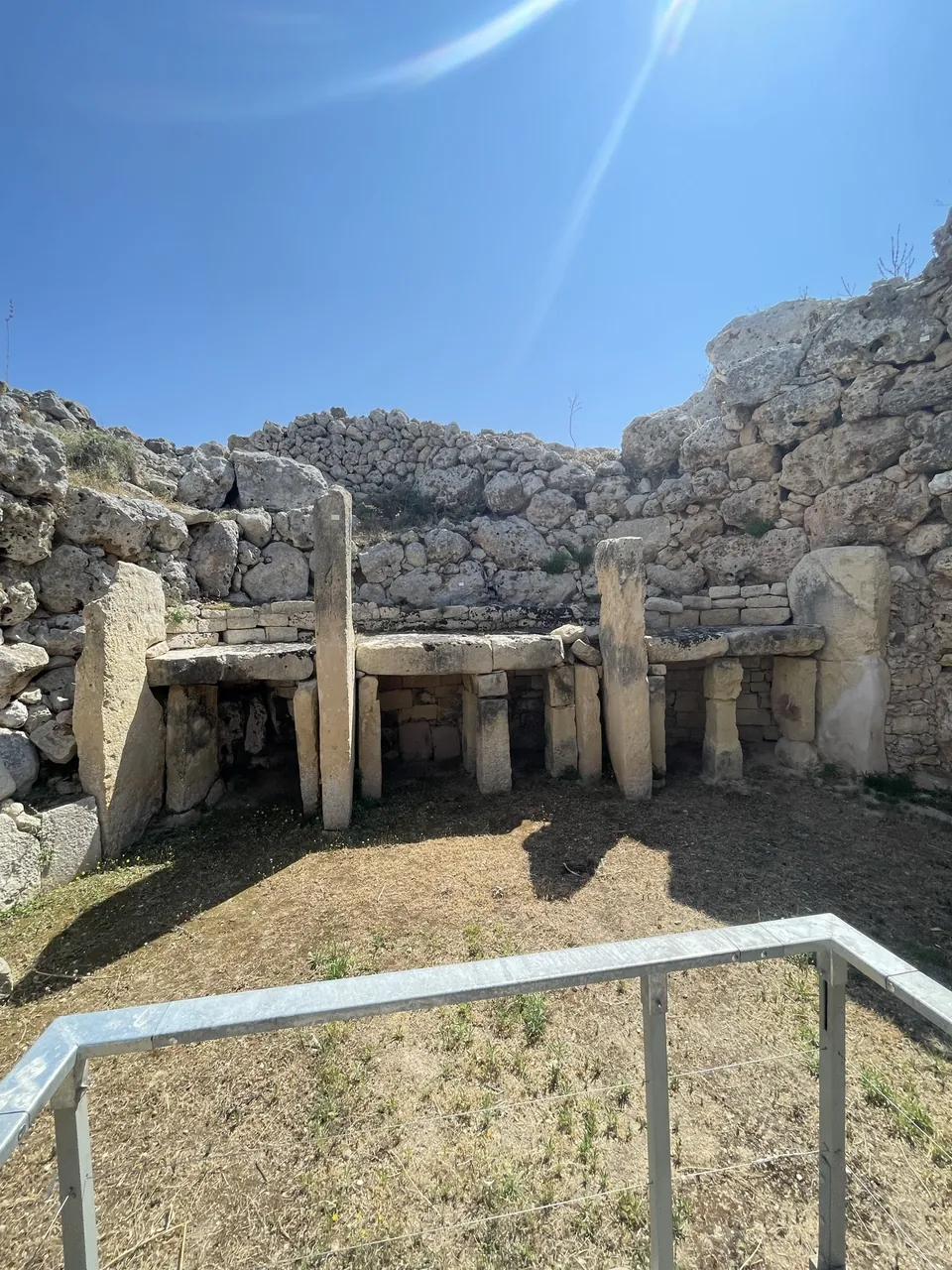
If you are interested in the island's older history, also visit the Ġgantija Temples in Xagħra. They are far older than Wardija and show how long people on Gozo have been building sanctuaries. The Citadel in Victoria completes the picture with the Middle Ages and the age of the Knights.
Who is Wardija for?
For anyone who wants to get away from the well-known spots and enjoys archaeology and wide landscapes. Do not expect spectacular buildings: it is a small rock chamber, and its appeal lies in its setting and its age. If you are looking for quiet, you will almost always find it here.
The detour suits families with small children, people who are not sure-footed and hot summer days less well. Allow around an hour and a half for the walk there and back plus time on site.
Last checked: 8 November 2026. Prices, times and access change, please check locally or with the operator.
Sources: Wikipedia: Ras il-Wardija