- Age
- Over 5,500 years
- Place
- Xagħra, in the centre of Gozo
- Admission
- Adults 10 euros, youths and seniors 8 euros, children 6 to 11 years 6 euros (Heritage Malta)
- Time
- 60 to 90 minutes
What you see
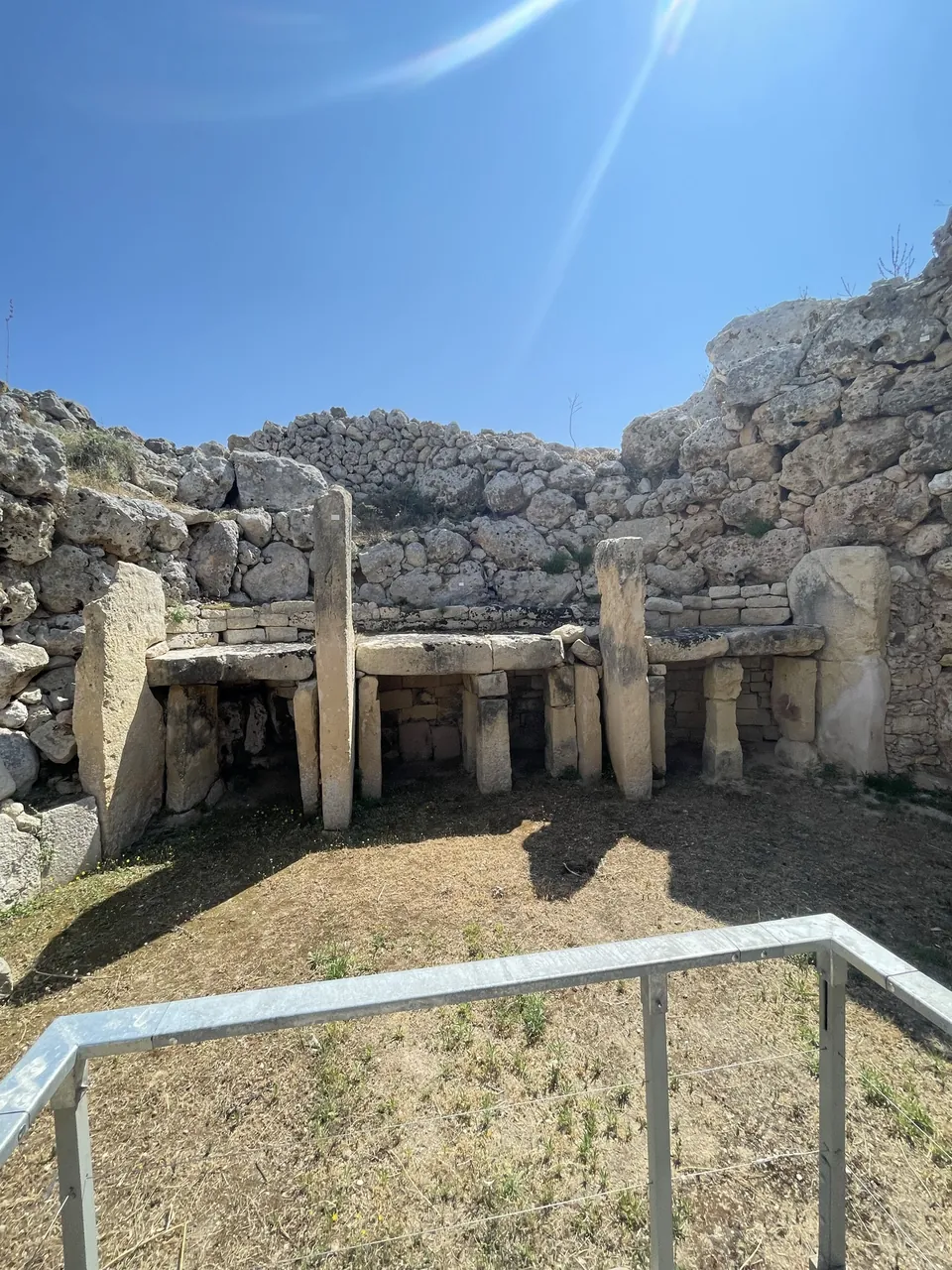
The Ġgantija temples in Xagħra date from the Neolithic and are over 5,500 years old, so older than the Giza pyramids and Stonehenge. They are two temples lying close together, built of enormous limestone blocks. The name comes from the Maltese word for giant, because the builders were once credited with giant strength. The temples belong to the UNESCO World Heritage listing of the Megalithic Temples of Malta.
Where are the Ġgantija Temples?
The Ġgantija Temples stand at the edge of the Xagħra plateau in the north of Gozo, a few kilometres north-east of the capital, Victoria. You enter through the Heritage Malta visitor centre and walk from there to the temples. By car you park at the visitor centre; without a car, see Gozo without a car.
The history of the temples
The temples date from the Neolithic. According to current knowledge they were in use roughly between 3600 and 2500 BC, long before the pyramids of Giza stood in Egypt. Who built them is not recorded: a farming community that worked without metal tools and still moved and stacked these blocks.
The site consists of two complete temples side by side and an unfinished third, of which only part of the facade was built. The southern temple is the larger one: its plan has five large apses, and its walls rise up to six metres. Standing in front of it, you understand why later generations believed in giants.
Ġgantija was first excavated in 1827 under Colonel John Otto Bayer, then Lieutenant Governor of Gozo. In 1980 it was added to the UNESCO World Heritage List. In 1992 the listing was extended to five more temple sites on Malta and has been called the Megalithic Temples of Malta ever since.
| Fact | Detail |
|---|---|
| In use | roughly 3600 to 2500 BC |
| Site | two temples and an unfinished third |
| Height | southern temple up to 6 m |
| First excavation | 1827 |
| UNESCO World Heritage | since 1980 |
| Location | edge of the Xagħra plateau |
| Managed by | Heritage Malta |
The legend of the giantess Sansuna
The name Ġgantija comes from the Maltese word for giant. Local folklore says a giantess named Sansuna built the temples. She is said to have eaten nothing but broad beans and honey and to have had a child with an ordinary man. The legend explains what people could not explain otherwise: who moved these stones.
Is it worth it?
Yes, and not only because of the age. The masses of stone look bigger in person than any photo conveys. The visitor centre puts the site in context, with audiovisuals and a selection of significant Neolithic finds from Gozo. If you like history, plan more time; if you only want a quick look, you are done in an hour.
Tickets and tours
With a guide you learn more about the site.
You see the live price and availability with the provider. Many offers can be cancelled for free – check this in the offer itself.
Admission and hours
According to Heritage Malta, tickets cost 10 euros for adults (18+), 8 euros for youths aged 12 to 17, 8 euros for seniors aged 60+, 8 euros for students and concessions, and 6 euros for children aged 6 to 11. Children aged 1 to 5 and Heritage Malta members get in free.
Opening hours change by season. Travel sites give daily 10 to 18 for summer 2026, earlier closing and sometimes a rest day in winter, plus holidays such as Good Friday, 24, 25 and 31 December and 1 January. Last admission is about 30 minutes before closing. Only the details at Heritage Malta are binding; the site can be reached by phone through the number given there.
| Group | Price |
|---|---|
| Adults (18+) | 10 euros |
| Youths (12 to 17) | 8 euros |
| Seniors (60+) | 8 euros |
| Students and concessions | 8 euros |
| Children (6 to 11) | 6 euros |
| Children (1 to 5) | Free |
| Heritage Malta members | Free |
Facilities and accessibility
According to Heritage Malta there are drinks and snacks on site, a shop, seating indoors and outdoors, lockers, a baby-changing area, parking and a children's room that requires an adult supervisor. According to Heritage Malta the site is fully accessible, toilets are accessible, and there are disabled parking bays on a first-come basis. That makes the visit easier with a wheelchair or pushchair than many other sights on the island.
When to go
Arrive at opening time, before the first coaches. Then you will not queue for tickets and the light is softer. An alternative is late afternoon, when the groups have gone and the shadows grow long. Plan 60 to 90 minutes.
What to combine
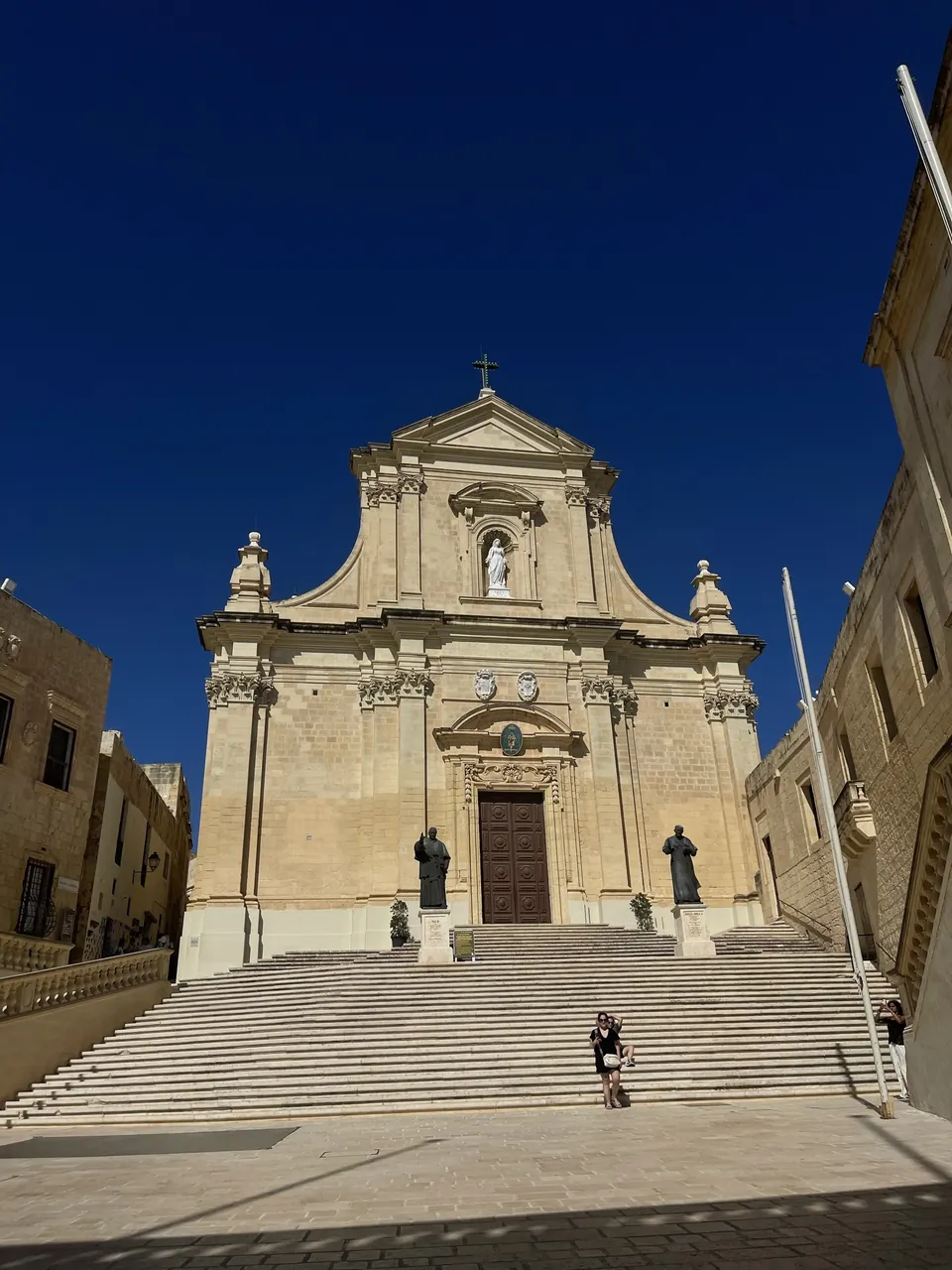
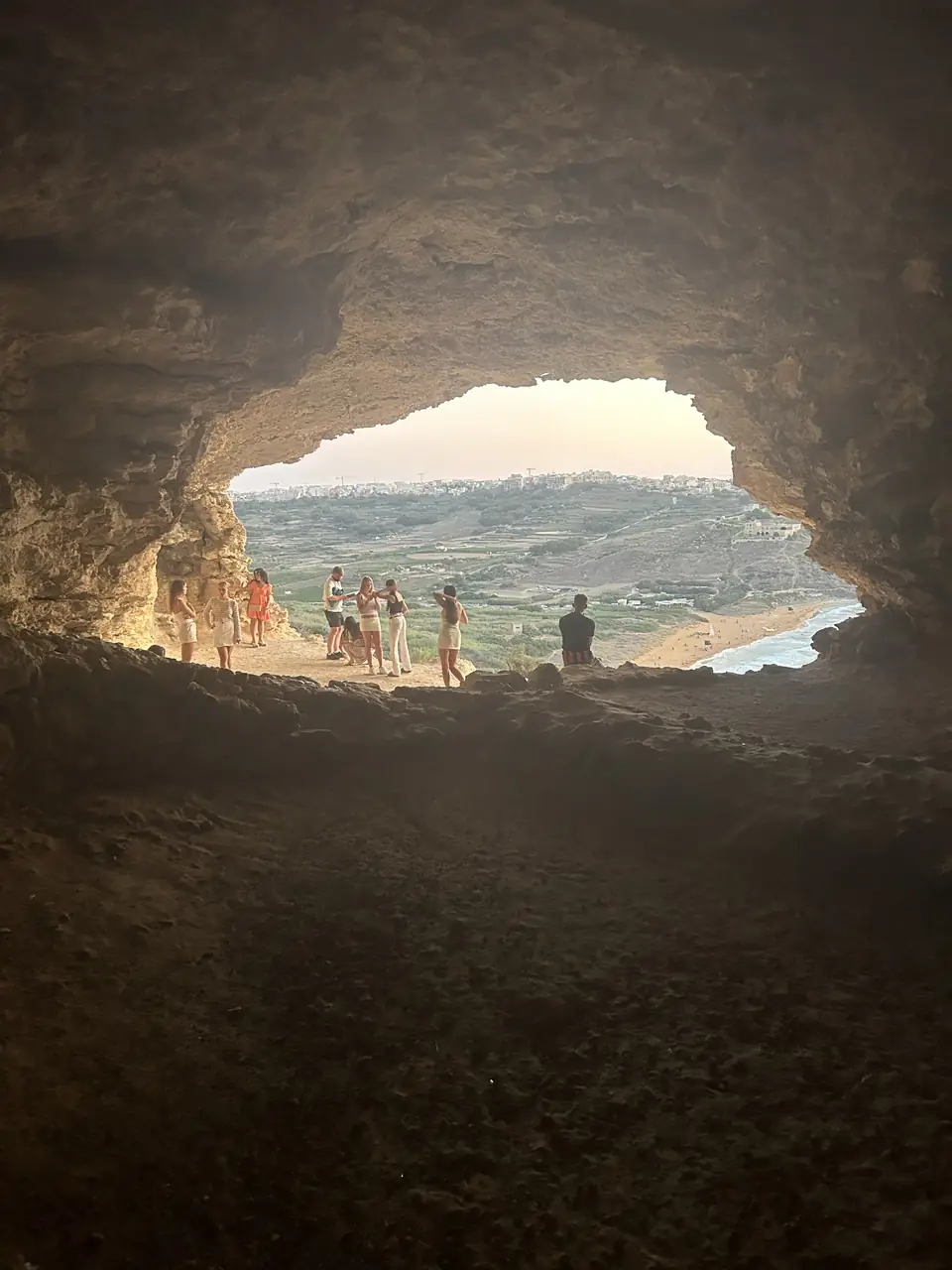
Ramla Bay is nearby and works as a swim stop after the visit. The town of Xagħra itself has cafés and further sights. If you stay in Xagħra, temples and beach are close. More ideas in the guide, at the Citadel and in the 3-day plan.
Updated: 4 October 2026. Prices, times and rules change, please check with the operator.
Sources: Heritage Malta: Ġgantija